How do we know what’s good for our wellbeing?

There’s so much focus on self-improvement these days – making changes to our lives to improve our performance, our physical health and mastering new skills. It’s generally straightforward to tell what helps us improve in these areas:

  • Testing new time management techniques to meet our targets at work
  • Increasing the amount of exercise we do to increase our physical fitness
  • Regular practice to learn a new skill

But how do we know what is and isn’t good for our wellbeing? We all lead busy lives so it’s hard to tell what is good for us and what might be having a negative impact on our health and wellbeing.

Having an insight into our thoughts, feelings and behaviours can improve our wellbeing. We gain this insight through the process of reflection. If we can identify what is good and bad for our wellbeing, we can make the changes we need to improve and maintain our wellbeing.

Theme 6: Reflection

Reflection builds on last week’s theme of mindfulness, as it also involves recognising our thoughts and feelings. Focusing our attention on ourselves can help with our personal growth and wellbeing – reflection consolidates learning from our experiences and enables us to apply this learning to new situations.

What is reflection? Self-reflection is the process of focusing on ourselves and increasing our awareness of our thoughts and feelings. Having an insight into how we think, feel and are motivated is key to our psychological health. Taking time to reflect can reduce anxiety, improve motivation and help us plan for the future.

It is important to understand that reflection focuses on learning from past events to improve our current and future wellbeing. It isn’t rumination – repeatedly focusing on negative events or problems that we’ve experienced without finding ways to overcome them. Rumination is linked with anxiety, depression and low self-esteem. Rather than ruminating, the activities in this theme will encourage us to reflect upon setbacks and challenge with the aim of overcoming them in the future. Reflection is all about practice and as we progress through the blog, more tasks and techniques will be provided to help you reflect.

Image by Pexels from Pixabay

Why reflection is good for our wellbeing

Taking the time to reflect can help us:

Through the process of reflection, we can identify imbalances in our feelings and personal needs. Once these have been identified, we can make changes and choices that address them. This process of reflection and behaviour change has been shown to improve our wellbeing.

Reflection can increase our ability to learn – which we already know is good for our wellbeing. Additionally, the relationship between reflection and wellbeing works both ways – positive self-beliefs can lead us to evaluate ourselves positively.

Image by Avi Chomotovski from Pixabay

The onus on improving our wellbeing is ultimately on us. Taking 15 minutes to reflect can help us figure out what we need more and less of to improve our mental and physical health.

This week’s task gets you to reflect on the people, places and things that are good and bad for our wellbeing. Every day we interact with other people and the exchanges we have with others can have a huge impact on our mood and overall wellbeing. The environments we live, work and socialise in can affect how we feel about ourselves. The things we do and activities we engage in can also influence our health and wellbeing. This week’s activity worksheet includes some examples to help you reflect on what’s good and bad for your wellbeing.

Click the link below to download the worksheet. You can fill it in using the ‘fill and sign’ tool or alternatively print it off and fill it in by hand.

If reflecting on people, places and things has helped improve your wellbeing, please do get in contact and share your story!

I share wellbeing-related research, news and stories on twitter and Instagram in between weekly blog posts so do follow @15minwellbeing on both platforms to keep up to date.

Start your day the mindful way

Time just seems to fly by these days. Christmas only feels like last week, but we’re somehow already in March. How did that happen? When we were children, waiting for a birthday or Christmas seemed to last an age, but as adults, events seem to creep up on us quickly without us even realising. Why does time go so quickly and what can we do about it?

One reason why it may feel like time goes quicker as we get older is the amount of pressure we experience. From around the age of 16 to retirement, we regularly face multiple pressures with time limits such as exams and deadlines. As these pressures build up, time feels like it moves more quickly and we start to feel as if we don’t have enough of it to get everything done.

Conversely, as young children we rarely experience these pressures and the new things we encounter are viewed with curiosity and excitement. Growing up, we learn new things all the time. When we are constantly aware of our changing environment and take notice of the new things we encounter, we store more memories which results in it feeling like time doesn’t go as fast.

Taking notice of what’s happening in the here and now is what mindfulness is all about. We can use mindfulness to reduce the amount of pressure we experience, make the most of every moment and improve our wellbeing. It might even slow down time a little.

Theme 5: Mindfulness

Mindfulness is the practice of focusing and accepting, rather than judging, our thoughts, feelings and sensations that occur in the present moment. Through practising mindfulness, we can learn to view our thoughts and experiences as transient events that don’t need to be acted on or control us. Noticing everyday activities such as brushing our teeth or our feet on the ground as we walk can interrupt our automatic thoughts and give us a new perspective on life. Mindfulness can also teach us to slow down, that we don’t always have to react immediately to situations we encounter.

Why is mindfulness good for our wellbeing?

Mindfulness has been shown to be effective in:

Increasing our awareness of the here and now can help us understand ourselves better and increase our enjoyment of the world around us. Mindfulness is really as simple as focusing on what is going on around and within us in the present moment. The more mindfulness is practised, the longer the positive effects on our wellbeing.

Mindfulness has been shown to improve wellbeing by addressing cognitive and emotional reactivity and reducing repetitive negative thinking. That is, mindfulness can help us take a step back from stressful and emotional situations. By acknowledging our thoughts as transient events, we can learn to let go of negative thought patterns and behaviours. This can lead us to make choices and behave in ways that better meet our needs, interests and values, which is good for our wellbeing.

Mindfulness doesn’t have to involve sitting cross-legged and meditating – it can be done anywhere, anytime. You can practice mindfulness while doing everyday activities such as brushing your teeth, having a cup of coffee or eating lunch. You don’t need to set time aside to practice mindfulness, you can just bring awareness to what you already do. Starting the day mindfully can help us appreciate things we usually take for granted when it feels like time is running away from us.

This week’s activity helps us to start the day mindfully. Most of us have to travel somewhere everyday – to work, university, college, school or an appointment. Why not use this time travelling to practice mindfulness and become more aware of what is going on within and around you? If you’re not sure where to start, this week’s activity worksheet includes more details and some questions to think about to help make your commute more mindful.

Click the link below to download the worksheet. You can fill it in using the ‘fill and sign’ tool or alternatively print it off and fill it in by hand.

If you noticed anything new or your mindful commute had a positive impact on the rest of your day, please do get in touch and share your story.

I share wellbeing-related research, news and stories on twitter and Instagram in between weekly blog posts so do follow @15minwellbeing on both platforms to keep up to date.

If we feel so good after exercising, why do we lose motivation?

It’s been widely reported that exercise is not only good for our physical health, it can benefit our mental health too. Yet many of us find it hard to maintain our motivation to exercise. Even when we have good intentions to exercise, they don’t always last.

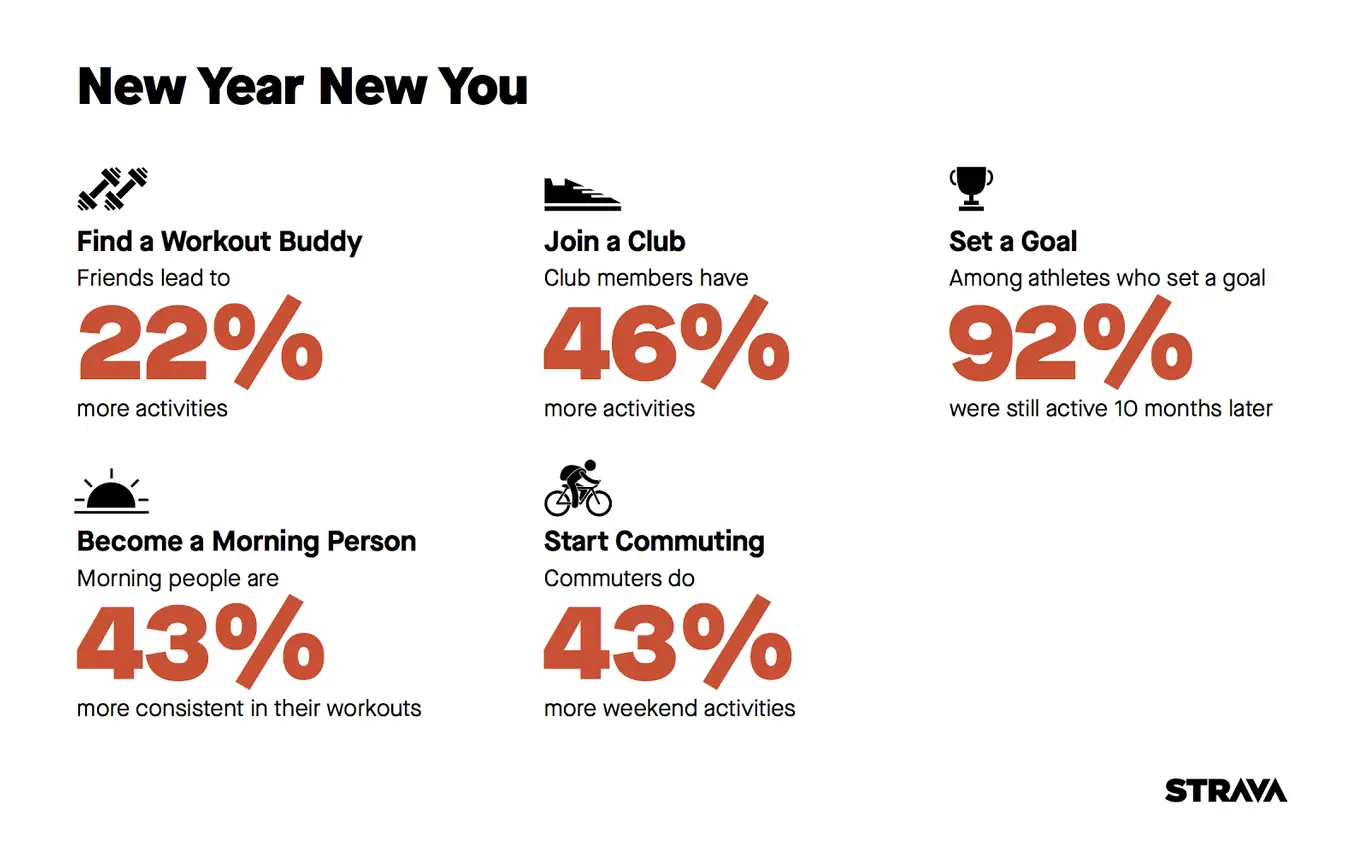
Each year, one third of people in the UK make a New Year’s resolution to get fitter, yet 63% of us break our resolutions. On average, two thirds (66%) of New Year’s resolutions last for one month or less. If your exercise and fitness goals have fallen by the wayside, you’re not alone.

If you’re struggling to find the motivation to exercise, it could be that you haven’t found the right physical activity for you. Not getting the mental high from working out that you’re after? Then maybe it’s time to change your exercise routine. This week’s blog post can help you find the best exercise for you and your wellbeing.

Theme 4: Physical health

The focus of today’s post is exercise and how choosing the right type of exercise for you can help improve your mental health. As we progress through the blog posts each week, you will discover that this theme is about more than just exercise. Other elements of our physical health – what we eat, how we sleep and self-soothing activities – can all impact our health and wellbeing.

Often, when we think about exercising we think about long runs, intensive gym sessions and ‘no pain no gain’. The good news is that physical exercise does not need to be vigorous to have a positive impact on our mental health. Even better, just 10 minutes of exercise is enough to elevate mood. Those of us who struggle to make time for exercise can still improve our wellbeing by incorporating a brief amount of physical activity into our lives. Over time, 15 minute wellbeing will introduce a range of physical activities that can be completed in 15 minutes or less and enhance our wellbeing.

Why is exercise so good for our wellbeing?

Exercising can distract us from our negative thoughts, improve our perceived ability to cope with stressful situations and increase our sense of control. Physical activity can also improve our quality of life, mood, self-perception, social interaction and life satisfaction.

Exercise can also help us cope with mental health problems such as depression and anxiety. Aerobic and anaerobic exercise (such as resistance training) are effective treatments for depression. Regular exercise may help prevent people prone to feelings of anxiety from panicking when they experience symptoms such as increased heart rate and sweating. These physical reactions occur during exercise so regular exposure to them through physical activity could reduce the frequency of panic attacks.

Making small changes to the amount of exercise we do – even if we don’t do much at all – can enhance our wellbeing.  For example, going for a walk can help us feel good. If we go for a walk with someone else, it has the added benefit of increasing our connection with others.

If we feel better after exercising, why is it so hard to keep doing it?

People who exercised and then stopped tend to feel more down and depressed than those who continue exercising, so how can we maintain our motivation to exercise?

One factor to consider is the intensity of our physical activity. Do you tend to start off too hard? When we exercise to the point where it is hard to talk, the immediate mood boost we usually experience after exercising is delayed by approximately 30 minutes. This delay in mood enhancement can put us off exercising. Starting slowly, with a moderate exercise plan can help us to maintain our physical activity goals.

Have you found the right exercise for you? It is important to find a physical activity you enjoy, not one that feels like a chore. If you start a gym class to help you lose weight but you don’t actually enjoy it, it’s unlikely you’ll stick at it.

One way to find the right exercise for you is to consider your social-psychological needs, which can change over time. These are:

  • Achievement
  • Mood and tension release
  • Playfulness
  • Search for meaning
  • Self-esteem
  • Stress management

Different needs require different exercises. If you want to cope better with stress, activities that provide a welcome distraction such as running or aerobics would be beneficial. Activities such as competitive team sports are likely to add to the stress that you’re already feeling, so you won’t get the same sense of enjoyment from them.

Therefore, it may be that you haven’t found the right exercise to meet your current needs. Today’s activity helps you do just that! The worksheet includes a quiz to help you determine your current social-psychological needs and the types of exercises that match these needs. Once you’ve discovered what type of exercise may be right for you and your wellbeing, why not give it a go?

Click the link below to download the worksheet. You can fill it in using the ‘fill and sign’ tool or alternatively print it off and fill it in by hand.

If you are doing the right type of exercise but are struggling to stay motivated, research has shown that the following can increase your chances of staying active:

If you take up a new physical activity or make a change to your exercise regime, please do get intouch and share your story.

I share wellbeing-related research, news and stories on twitter and Instagram inbetween weekly blog posts so do follow @15minwellbeing on both platforms tokeep up to date.

Give a little, gain a lot

Giving is often associated with gifts or lavish acts that cost a lot of time and money. Although it is nice to give and receive presents, this is rarely the route to long term happiness and positive wellbeing. Research conducted around the world has shown that materialism is linked with low life satisfaction. The giving we are talking about today isn’t about gifting material goods, but gifting our time to support others.

Theme 3: Giving

The next theme that can improve our wellbeing is giving. The type of giving we are focusing on is prosocial behaviours such as volunteering, sharing and cooperating to benefit others. This could range from offering our seat to someone on the train or comforting a friend who is going through a tough time: giving to others does not need to involve spending lots of time or money. Altruistic behaviour such as helping others and sharing can lead to feeling more positive and increased self-worth. Giving back to others and reciprocating kindness can improve wellbeing for people of all ages.

Why giving is good for our wellbeing

When we give to others, the reward areas in our brains are stimulated, which makes us feel good about ourselves. Helping others and sharing can give us a sense of self-worth and purpose. Not only that, giving and sharing can result in developing new, stronger relationships throughout life which are also essential to wellbeing.

In a national survey, 80% of people in the UK said they felt good after being kind, with 87% feeling that being kind to others has a positive effect on their own health. Helping other people can give us a sense of euphoria or a ‘helper’s high’ which can reduce stress and improve our wellbeing. If you’ve seen the episode of ‘Friends’ where Joey and Phoebe argue about whether there is such a thing as a selfless good deed, it looks as if Joey may be right – helping others helps us feel good.

Image subject to copyright

Small acts of kindness can make a big difference

Whether it’s volunteering or a small act of kindness to someone else, giving is linked with positive wellbeing. Those who are kind to others – including those who commit small acts of kindness – report benefits such as:

Being kind to others does not need to be time consuming: one study asked participants to commit five random acts of kindness each week over six weeks. These acts included visiting a sick relative, helping someone with a problem and donating blood. Wellbeing improved amongst those who carried out these random acts of kindness compared to those who didn’t. Other research has shown that committing just one act of kindness a week over six weeks led to increased wellbeing, compared to those who did not help others.

When giving our time to others, it is important to look after ourselves. If we overly focus on helping others without considering our own needs, we can put ourselves at risk of burnout, feeling guilty and even depression. Therefore it is important not to take on too much and spread ourselves too thinly –spending just 15 minutes of our time giving is enough to not only help others, but benefit us too.

Today’s activity asks you to give 15 minutes of your time to someone or something else. The worksheet provides you with some ideas on how you can give your time, be it helping someone else or your local community. These are just suggestions so if you’d like to give 15 minutes of your time doing something else to help others, then do. There is also space on the worksheet to reflect on how it went and how you felt afterwards.

Click the link below to download the worksheet. You can fill it in using the ‘fill and sign’ tool or alternatively print it off and fill it in by hand.

If you have any ideas about other activities we can do by giving 15 minutes of our time, please get in touch so they can be shared with everyone. It would be great to create a ’15minute giving’ database so any contributions would be greatly appreciated.

I share wellbeing-related research, news and stories on twitter and Instagram inbetween weekly blog posts so do follow @15minwellbeing on both platforms tokeep up to date.

What can you learn about love?

Today is Valentine’s Day which celebrates love. Although many people enjoy exchanging cards and gifts and declaring their affection for others, some of us find Valentine’s Day very difficult. If you’re in a relationship or not, the romantic ideals shown in films, TV and social media can be hard to live up to, which isn’t great for our wellbeing.

Today’s post uses Valentine’s Day to introduce the next theme that can improve your wellbeing – learning. Learning in adulthood can help us feel more positive about ourselves and our lives – this is what today’s blog and activity aim to do.

But what’s learning got to do with love? One of the key benefits of learning is that it helps us connect with others. Also, learning about the different types of love – the focus of today’s activity – can increase our awareness of the different ways we love and are loved, most of which aren’t celebrated on Valentine’s Day.

Theme 2: Learning

Learning broadens our minds and improves insight into all aspects of our lives – ourselves, our relationships and the world around us – which in turn is good for our wellbeing. Learning isn’t just about memorising something new, ready for a test. It also involves having new experiences, developing skills and gaining knowledge that can enrich our lives.

Learning can be a time consuming process. However, a recent large-scale study showed that training related to hobbies or leisure activities does not need to be of a high intensity or duration to improve wellbeing. Therefore, learning something new in just 15 minutes can help you feel better within yourself.

Why is learning good for our health and wellbeing?

Learning beyond our school days has many benefits such as helping us to connect with others, give us a sense of purpose and increase our self-esteem and self-confidence. Continuing to learn after school, college or university is linked with feeling:

  • More optimistic;
  • More satisfied with life and
  • More capable of dealing with stress.

The confidence and self-efficacy gained by learning can even improve our ability to manage our health. For example, we can make better decisions about our health and better adhere to instructions from clinicians. Not only that, lifelong learning can prolong independence which can result in less reliance on healthcare services as we get older.

Reservations about learning

Although learning can have a range of benefits for our wellbeing, some of us have had negative learning experiences which cause us to feel stressed and anxious. This may in part be due to the association between learning and assessment. Even when assessments are routine and expected, the possibility of failure can be very distressing.

None of the 15 minute wellbeing learning activities involve any tests or assessments, just questions that encourage you to gain new knowledge, develop skills and even challenge you to try something that you may not have done before.

Different types of love

Valentine’s Day typically celebrates romantic love between couples and encourages single people to share their hidden romantic feelings and affection for one another. However, there is more to love than romance. The ancient Greeks had more than 30 different words to describe love in all its forms. ‘Eros’ is the word used for attraction, romance and sexual desire, the type of love typically celebrated by Valentine’s Day.

Another type of love is ‘Philia’ the love we have for people with whom we share experiences and goals. This may be your team mates in a netball or football club, soldiers in the same army regiment or even your co-workers.

Today’s activity asks you to discover and learn about different types of love. Not only that, but also reflect on your experiences of the multiple ways we love and are loved. The worksheet has space for you to note up to four different types of love, though you do not have to fill in all the boxes if you run out of time.

Click the link below to download the worksheet. You can fill it in using the ‘fill and sign’ tool or alternatively print it off and fill it in by hand.

If you’d like to share how you got on with this activity, or a type of love that you experience, please do get in touch.

I share wellbeing-related research, news and stories on twitter and Instagram inbetween weekly blog posts so do follow @15minwellbeing on both platforms to keep up to date.

Improve your wellbeing in just 15 minutes

Welcome to 15 minute wellbeing! This blog will draw on existing research into wellbeing and translate it into simple tasks and exercises that you can do in 15 minutes to improve your health and wellbeing.

Each activity will not cost any money to do, because why should we pay to feel good about ourselves? As we progress through the activities we will discover that we already have everything we need to improve our wellbeing.

Instead of telling you what to do or how to change your life, this blog simply provides you with different tasks to complete each week to help you feel better within yourself. The variety of activities means that you won’t get bored trying the same old thing. Instead, you’ll get to try lots of different things to figure out what works for you and your wellbeing.

The activities are grouped into seven themes:

  • Connection
  • Creativity
  • Giving
  • Learning
  • Mindfulness
  • Physical health
  • Reflection

Research has shown that all of these can improve wellbeing. You may recognise five of these – connection, giving, learning, mindfulness and physical health – from Five Ways to Wellbeing, a set of evidence-based actions to improve wellbeing.  Creativity and reflection have been included because there is an increasing amount of research into how engaging with creative activities and focusing inwardly can enhance our wellbeing and help us understand what works for us. I’ll provide snippets of this research in each blog post so you can get a good understanding of how each activity can improve your wellbeing.

I’ve chosen Time to Talk Day to launch 15 minute wellbeing. Time to Talk Day is a national day in the UK which aims to get more people talking about mental health. This blog cannot help alleviate mental illness, but it can provide ideas and options to improve wellbeing which contributes to good mental health. If you are concerned about your mental health, please speak to your local GP, local Mind https://www.mind.org.uk/information-support/guides-to-support-and-services/  Samaritans https://www.samaritans.org/  or Time to Change https://www.time-to-change.org.uk/mental-health-and-stigma/help-and-support

Theme 1: Connection

As it’s Time to Talk Day, this first activity will focus on connection and more specifically, sharing problems with others. Connection activities are all focused on encouraging more interactions with those around us, because strong social connections are essential to wellbeing. It’s not only the amount of social interactions we have that count, but the quality of them too – strong, positive social networks can help us feel like we belong and improve our wellbeing.

Developing relationships with others is something we usually do passively, without much effort – at school or work we spend a lot of the day with our classmates or colleagues which naturally results in friendships and relationships. However, as we get older we have less time to spend with our friends and family, which can result in fewer connections with others and increasing feelings of loneliness. Therefore, it’s important to invest in our relationships and make our connections more meaningful.    

One of the barriers to developing and maintaining positive relationships with others is sharing our problems, experiences and feelings with others. Today’s activity addresses this.

Why is connection important for our wellbeing?

Sharing problems with others and asking for their help can feel quite daunting. However, asking for support can help us feel better about ourselves and even help solve our problems. Today’s activity will help you identify the different people (or organisations) you can turn to when you experience different types of problems:

  • Practical ones, such as helping you lift something heavy
  • Answering difficult questions, such as homework or a tricky task at work
  • Emotional ones, such as mental health

Click the link below to download the worksheet. You can fill in the boxes using the ‘Fill & Sign’ tool.

I hope you find this activity useful and it gives you the confidence to seek help when you need it.

I will also be sharing wellbeing-related research, news and stories on twitter and Instagram in between weekly blog posts so do follow @15minwellbeing on both platforms to keep up to date.